

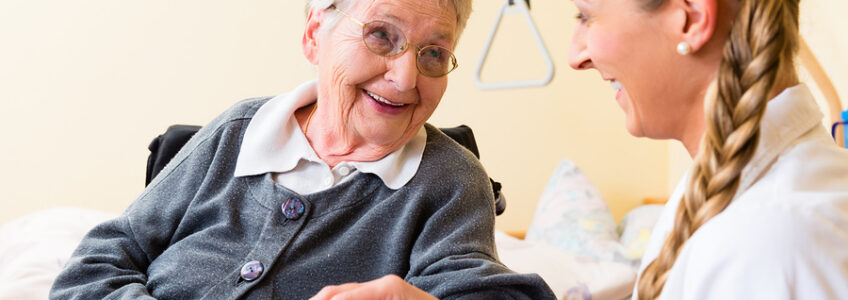
Wounds can be a serious concern for older adults. Skin becomes thinner and more fragile with age, circulation may slow, and conditions like diabetes can make healing take longer. A surgical incision, a pressure injury, or a small sore that won’t close can lead to infection or other complications if it isn’t watched closely. Skilled nursing care brings trained nurses into the home to care for wounds, monitor healing, and help families protect their parent’s skin.
Why Wounds Heal Differently with Age
As people get older, the body’s natural healing process tends to slow down. Several factors can make wounds harder to heal, including:
- Thinner, more fragile skin
- Reduced circulation, especially in the legs and feet
- Diabetes and other chronic conditions
- Poor nutrition or not drinking enough fluids
- Limited mobility, which puts pressure on certain areas
- Certain medications that affect healing
Because of these factors, a wound that might heal quickly in a younger person can linger for weeks in an older adult. Regular, professional attention can make a meaningful difference.
Common Types of Wounds
Skilled nursing care for many kinds of wounds. Surgical incisions after procedures such as joint replacement or heart surgery often need monitoring as they heal. Pressure injuries can develop when someone spends long periods in bed or a chair. Seniors with diabetes may have sores on the feet that need close attention. Skin tears, burns, and slow-healing cuts are also common.
Each wound is different, and the nurse follows the treatment plan ordered by your parent’s doctor. Some wounds need attention only for a short time after surgery, while others take weeks or months to fully close. With skilled nursing care, the same nurse or small team often follows the wound from visit to visit, which makes it easier to notice whether healing is moving in the right direction.
What Nurses Do during Wound Visits
During a visit, the nurse examines the wound and the surrounding skin. They note its size, color, drainage, and any signs of infection, such as increased redness, warmth, swelling, odor, or fever. They provide wound care according to the doctor’s orders and document how the wound is changing over time.
If the wound isn’t improving, or if new concerns appear, the nurse contacts your parent’s doctor. That timely communication allows the doctor to adjust treatment before a small problem becomes a larger one.
Teaching Families Warning Signs
Skilled nursing care also teaches your parent and family how to protect the wound between visits. They explain which signs should prompt a call to the nurse or doctor, how to keep dressings clean and dry, and what activities to avoid. If family members will help with any part of care, the nurse demonstrates the technique and watches them practice until everyone feels comfortable.
This teaching helps families feel confident rather than anxious when caring for their loved one. Many nurses leave written notes or a simple checklist so everyone in the home knows what to look for, even family members who weren’t present for the visit.
Preventing Pressure Injuries
Many wounds can be prevented. For seniors who spend much of the day in bed or a chair, nurses can recommend ways to reduce pressure on vulnerable areas, such as the hips, heels, and tailbone. They may suggest regular position changes, cushions, or special mattresses, and they check the skin for early warning signs during each visit.
Nurses can also share these prevention tips with caregivers who help your parent throughout the day. Small habits, like keeping sheets smooth and dry, checking heels and elbows during bathing, and gently helping your parent shift position, can protect fragile skin.
Supporting Healing through Nutrition
Healing depends on more than the wound itself. Nutrition, hydration, blood sugar control, and activity all play a role. Nurses can talk with your parent about eating enough protein, drinking fluids, and following the diet their doctor recommends. For seniors with diabetes, nurses may review blood sugar records and share concerns with the doctor. Small, frequent meals and a water glass kept within reach can make it easier for a parent with a small appetite to get the nourishment their body needs to heal.
Caregivers can help by preparing balanced meals, encouraging fluids, and helping your parent stay as active as their doctor allows.
Comfort Matters, Too
Wounds can be painful and emotionally draining. Nurses keep a close eye on your parent’s comfort, ask about pain, and let the doctor know if pain is not well controlled. They explain each step of care and work gently, which helps your parent feel more at ease.
Receiving wound care at home means your parent can rest in familiar surroundings rather than making frequent trips to appointments while healing.
Teamwork Speeds Recovery
Wound healing is a team effort. Nurses, doctors, families, and daily caregivers all contribute. When everyone shares observations, small changes are noticed sooner and addressed quickly. If your parent has a wound that needs attention, talk with their doctor about whether skilled nursing care at home could support healing and help prevent complications.
If you or someone you know needs Skilled Nursing Care in Granite Falls, MN, contact Adara Home Health. We provide quality and affordable home care services for many fragile or senior members in the communities we serve. Call us at (888) 525-7742 for more information.