

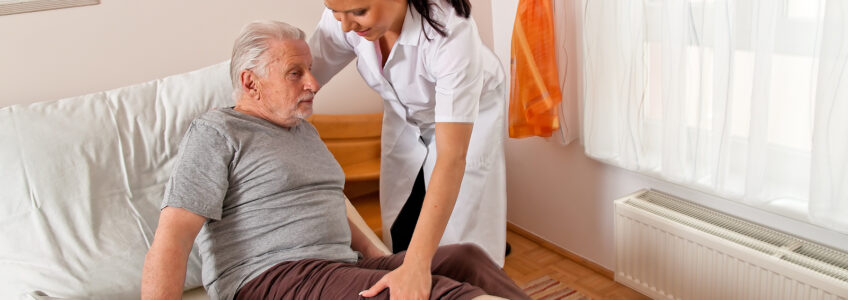
Leaving the hospital after an illness, injury, or surgery often comes with a huge sense of relief. The hard part is over, families think—and for good reason. But the days and weeks right after discharge can be just as critical as the hospital stay itself. Medications may be new or complicated, mobility can be shaky, wounds may need attention, and follow-up appointments can feel overwhelming. In this fragile window, skilled nursing care plays a vital role in helping older adults heal safely and avoid a quick return to the hospital.
For many seniors, the transition home is when reality sets in. The environment is less controlled than a hospital. There’s no nurse station down the hall, no call button, and no automatic medication schedule. Even when families are attentive and loving, they can’t always provide clinical care—or spot subtle warning signs. That’s why having a skilled nursing care professional involved during recovery can make the difference between a smooth comeback and a frightening setback.
The “Transition Zone” After Discharge
Hospitals do a lot in a short amount of time. By the time a patient is discharged, the immediate emergency might be stable, but recovery is rarely complete. It’s common for seniors to go home still weak, sore, or confused—especially after events like:
- strokes or transient ischemic attacks
- pneumonia, COPD flare-ups, or other respiratory illness
- hip or knee replacement surgery
- cardiac events or heart failure exacerbation
- serious infections or sepsis
- complex falls with fractures or head injury
These situations often require more than rest. They demand monitoring, follow-through, and clinical judgment. Yet discharge instructions can be dense, and even proactive families can miss details. The gap between what the hospital provides and what home naturally offers is real. The transition zone needs structure.
What Skilled Nursing Care Actually Does at Home
Skilled nursing care isn’t simply “extra help.” It is medical care provided by licensed professionals (often registered nurses or licensed practical nurses) under a physician’s plan. The care is designed to support recovery while allowing the person to stay in a familiar home setting.
Depending on the patient’s needs, home-based skilled nursing care can include:
- medication management and monitoring for side effects
- wound care and dressing changes
- post-surgical monitoring (pain, swelling, infection risk)
- vital sign checks and ongoing assessment
- injections or IV therapy when ordered
- catheter, ostomy, or other device care
- education for the patient and family about the condition and care plan
This kind of hands-on clinical support helps ensure the discharge plan doesn’t fall apart once the patient gets home.
Why This Level of Care Matters So Much
1. Preventing avoidable rehospitalizations
One of the biggest risks in the weeks after discharge is being readmitted. Sometimes this happens because of a new complication. But often, it’s because a manageable issue wasn’t caught early enough.
Nurses are trained to recognize subtle shifts a non-clinical caregiver may not notice: a slight fever, increased swelling near a surgical site, reduced oxygen saturation, confusion that’s creeping in, or changes in skin color and breathing patterns. Early detection allows fast intervention—often preventing a crisis.
2. Supporting safe medication changes
Hospitals frequently adjust medications. Seniors may come home with new prescriptions, dosage changes, or complex schedules involving several pills at different times. That’s a perfect storm for mistakes.
A nurse can reconcile medications, confirm the patient understands what to take and when, and monitor for side effects like dizziness, nausea, low blood pressure, or confusion. This matters because medication issues are a leading reason for post-discharge complications.
3. Making recovery practical in real life
Hospital instructions often assume an ideal world. “Keep the wound clean and dry,” they say. “Limit stairs.” “Watch for infection.” But at home, seniors still need to bathe, eat, move, and live.
Skilled nursing care support helps translate medical guidance into doable steps for real homes and real routines. Nurses can suggest safe ways to shower, position the body, manage pain, and build stamina gradually. They also help families understand what’s normal healing and what’s not—reducing fear and uncertainty.
4. Teaching families how to help correctly
Most adult children want to do everything right. But taking on care without training can be stressful and risky.
Nurses provide education that empowers families. They demonstrate safe transfers, explain warning signs, and coach caregivers through tasks like dressing changes or managing equipment. When families feel confident, care becomes calmer—and seniors sense that calm, too.
The Emotional Side of Clinical Support
Recovery isn’t only physical. Seniors often feel vulnerable after hospitalization. They may worry about another fall, fear pain returning, or feel embarrassed about needing help. Some experience post-hospital depression or anxiety, especially if the event was sudden.
Having a consistent, skilled nursing care professional presence can be deeply reassuring. A nurse doesn’t just perform tasks; they bring steadiness. Patients often feel safer asking questions they don’t want to “bother” their family with. And families gain peace of mind knowing a trained eye is checking on progress.
That emotional lift can improve motivation and engagement in recovery—two ingredients that matter a lot for long-term outcomes.
When Families Should Consider a Nursing Step-Down Plan
Not every discharge requires nursing care, but many do—especially when the risk of setbacks is high. Here are a few common signs that it may be wise to add clinical support during the transition home:
- multiple medication changes or a complex schedule
- recent surgery with wounds, drains, or high infection risk
- shortness of breath or chronic respiratory disease
- new mobility limitations or high fall risk
- cognitive changes after hospitalization (confusion, delirium)
- a history of readmissions or fragile health overall
This list doesn’t mean a senior can’t go home. It means home might need a bit more medical scaffolding for a while.
How Skilled Nursing Care Works With Other Home Support
Skilled nursing care often fits into a larger recovery picture. Many seniors benefit from a “tiered” plan:
- Skilled nursing care to handle clinical needs and monitor healing
- Physical or occupational therapy to rebuild strength and function
- Non-medical caregiving support for help with bathing, meals, and daily routines
- Family involvement for companionship and decision-making
These layers aren’t redundant—they’re complementary. Together, they create a safe runway for recovery.
A Better Way to Go Home
Hospitals are built for acute care, not long-term healing. Home is built for life, not clinical monitoring. The transition between them is where seniors need the most thoughtful support. With the right plan, going home can feel like a true step forward—not a risky leap.
The value of skilled nursing care is that it respects both realities. It brings medical expertise into the place a senior most wants to be, helping recovery stay on track while preserving dignity and comfort. It also supports families, turning an intimidating discharge into a manageable journey.
If you’re preparing for a loved one’s return home, consider the weeks after discharge as part of the treatment—not just the aftermath. That mindset, paired with the right clinical help, can protect health, confidence, and independence when they matter most.
If you or someone you know needs Skilled Nursing Care in Blaine, MN, contact Adara Home Health. We provide quality and affordable home care services for many fragile or senior members in the communities we serve. Call us at (888) 525-7742 for more information.